

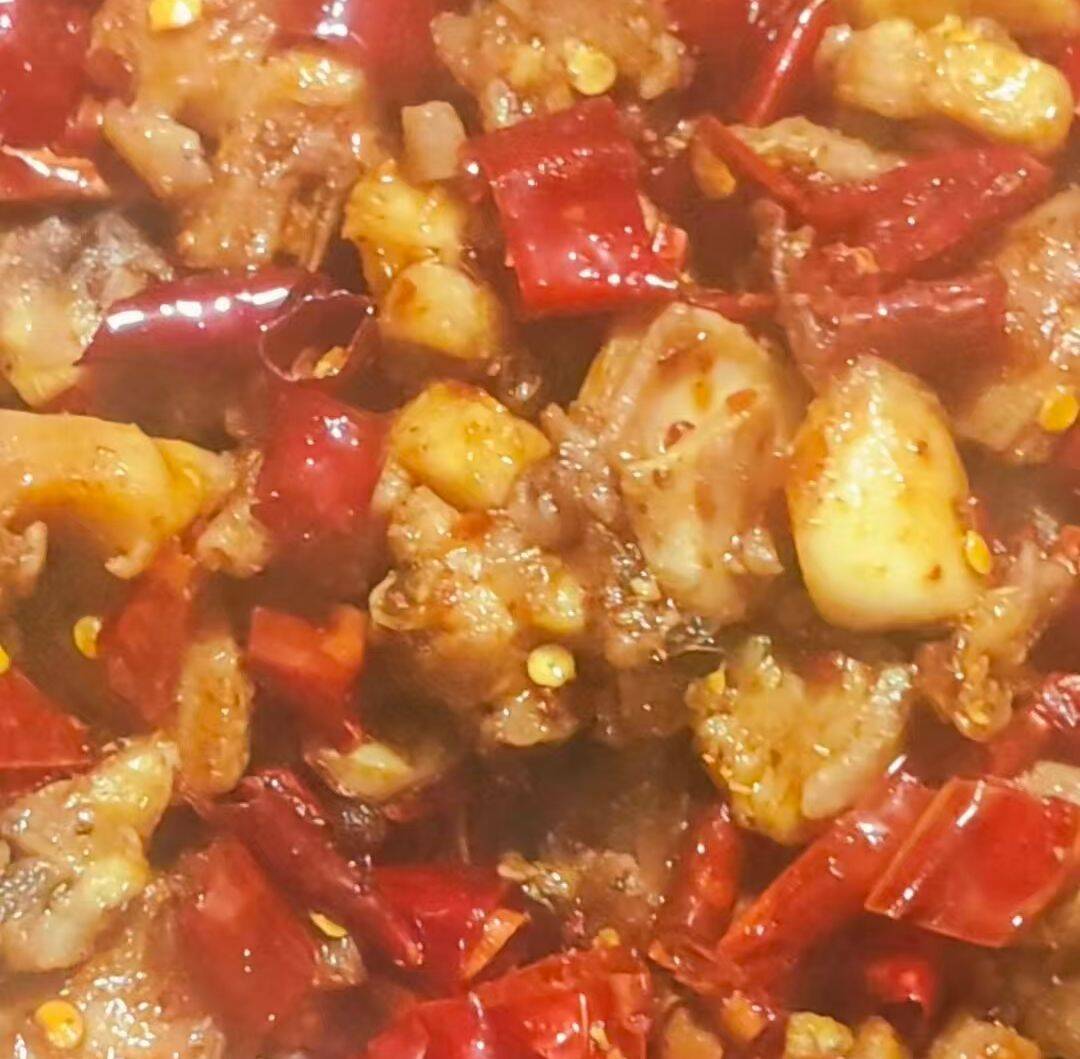
Camping, Road Trips, and Long Travel: Why Cold Eat Rabbit Travels Well
As glamping, hiking, and long self-drive trips become more common, outdoor food has moved far beyond compressed biscuits and ham sausage. Between the need for low weight and the desire for real flavor, one traditional Zigong dish from Sichuan has quietly become a useful backpack food: Cold Eat Rabbit.
This article looks at Cold Eat Rabbit from three angles: physical portability, nutrition, and its role as a social food. Together, they explain why Lafeitu can fit camping, road trips, and longer travel.
1. The Wisdom of Cold Food: From Salt Routes to Outdoor Eating
"Cold eat" does not only describe serving temperature. It reflects a practical preservation logic shaped by salt, oil, heat, and travel.
1. A Historical Choice
Centuries ago, well salt from Zigong moved through river routes and overland roads. Boatmen on the Fuxi River and porters crossing mountain paths both needed meat that could keep, travel, and make rice more appetizing.
The traditional method cuts rabbit into small pieces, fries it in oil to drive off moisture, then seasons it with chili, Sichuan pepper, and spices. This process reduces spoilage risk and lets oil coat the meat, limiting contact with air. Before modern cold-chain logistics, that gave Cold Eat Rabbit the basic character of a travel food.
2. The Portability of Oil-Sealing
Modern vacuum packaging, combined with the older logic of oil-sealing, gives Cold Eat Rabbit clear advantages outdoors:
- High edible density: boneless rabbit pieces take little space and provide more edible meat than many bone-in foods of the same volume.
- No heat source needed: in forests where open flame is restricted, or on simple trips with limited gear, ready-to-eat meat solves a common problem.
- Stable flavor: many hot dishes become greasy or gamey after cooling. Cold Eat Rabbit is designed for cooling; the meat tightens, the spices settle in, and the flavor often becomes rounder than it is straight from the wok.
2. Function and Texture: Food Support in Outdoor Settings
Outdoor activity consumes energy, but a useful trail food should do more than fill the stomach. Rabbit meat is often described in Chinese food writing as hun zhong zhi su, roughly "the vegetarian side of meat." The phrase points to its lean, high-protein profile.
1. High Protein
Rabbit meat is commonly reported at about 21.5% protein and contains essential amino acids, including a relatively high level of lysine. After long-distance walking or the physical work of setting up camp, high-protein food can support muscle repair and reduce the heavy feeling that follows intense activity.
2. Lower Fat and Easier Digestion
During outdoor activity, blood flow is directed heavily toward skeletal muscle, while digestion may feel slower. Rabbit meat is comparatively low in fat and has a tender texture, which makes it easier to eat than many richer meats. That gives campers the satisfaction of eating meat without the same sense of heaviness.
For people who want a real savory snack outdoors but do not want an overly greasy meal, this is a practical advantage.
3. Chili Heat and Body Warmth
At higher elevations or during wet weather, perceived temperature can drop quickly. The layered heat of Zigong-style chili, including local hot peppers and er jing tiao-style aroma, can wake up the palate, encourage circulation, and bring a direct sense of warmth. A bite of Cold Eat Rabbit can feel like the most immediate kind of trail comfort.
3. Social Food Around the Campfire
Camping is also a way to leave the city and rebuild social space. Around a fire or a camp table, a bag of Lafeitu often opens the conversation.
1. The Pleasure of Sharing
A toothpick lifts a glossy red piece of rabbit, and it is easy to pass it to a friend. Cold Eat Rabbit already behaves like a snack: small pieces, strong flavor, and no need for plates or formal serving. That makes it naturally shareable.
2. A Strong Pairing Food
Cold beer, craft IPA, tea by the stove, or a small bottle of warm sake can all work with the numbing, spicy, savory profile of Cold Eat Rabbit. It is not the loudest part of the evening, but it often becomes the background flavor that people keep returning to while talking late into the night.
Conclusion
From the bags of salt-route travelers to the backpacks of today's campers, Cold Eat Rabbit has kept the core appeal of a cold, portable, intensely flavored food.
Taking Lafeitu on the road is a small way to carry Zigong's heat, salt, and appetite into mountains, lakesides, highways, and campsites.
References
- Salt-Industry cuisine history and culture: Wikipedia, Salt-Industry Cuisine (Zigong Cuisine).
- Cold Eat Rabbit and Zigong salt industry: Salted Egg Travel Agency (2024), How Wild Zigong's Cold Eat Rabbit, Cold Eat Beef, and Cold Eat Foods Can Be.
- Rabbit meat nutrition: WebMD, Health Benefits of Rabbit Meat.
- Rabbit meat protein and composition: National Center for Biotechnology Information (PMC), Proximate Chemical Composition, Amino Acids Profile and Minerals Content of Meat Rabbits.
- Rabbit meat calories and composition: FatSecret, Calories in 100g of Rabbit Meat and Nutrition Facts.
- Capsaicin and body-temperature regulation: National Center for Biotechnology Information (PMC), Effect of capsaicin on thermoregulation: an update with new aspects.
- Spicy food and metabolism: The Independent, The compound in hot chili peppers that can boost your metabolism.